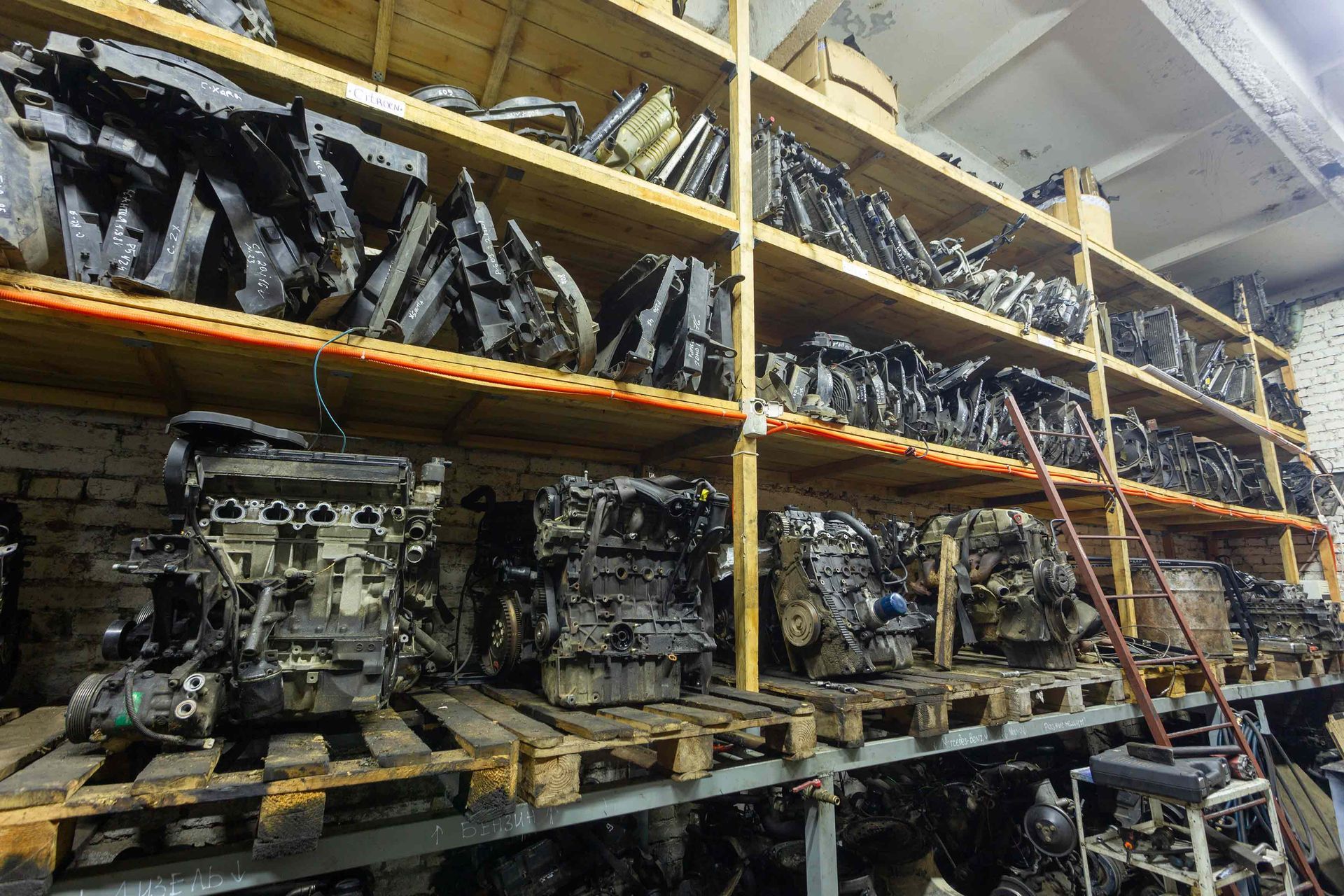
DIY Starter Swap: How to Install Used Domestic Auto Parts in Edgewater, FL
Replacing a worn starter on a common domestic vehicle is a straightforward project that many Edgewater, FL, drivers can handle at home with basic tools and a quality recycled part. This guide walks through each step of a DIY starter swap, covering everything from safety prep to the final test crank. Sourcing used domestic auto parts for this job can help you keep more money in your pocket while still getting a reliable repair.
What You Need Before You Start
Gather your tools and materials before the vehicle is ever lifted off the ground.
Here is what you will likely need:
▸ A floor jack and two quality jack stands rated for your vehicle's weight.
▸ A socket set, including metric and standard sizes.
▸ Combination wrenches in common sizes.
▸ A torque wrench for final fastener tightening.
▸ Safety glasses and mechanic's gloves.
▸ A multimeter to confirm the old starter has actually failed.
▸ Penetrating oil for any corroded bolts.
▸ Your vehicle's factory service manual or a reliable repair database.
Florida's coastal humidity can cause fasteners to corrode faster than in drier climates. Apply penetrating oil to the starter mounting bolts the night before you plan to work. That small step can prevent a rounded bolt from turning a one-hour job into a half-day project.
How Do You Know If Your Starter Needs Replacing?
A failing starter usually gives clear warning signs before it quits completely. Catching those signs early can save you from being stranded.
Common symptoms include a single loud click when you turn the key with no engine crank, a grinding noise when starting, or an engine that cranks very slowly even with a healthy battery. Use a multimeter to confirm voltage is reaching the starter. If battery voltage is good but the starter does not respond, the starter is likely the problem. Always rule out the battery and connections first so you do not replace a part that does not need replacing.
Step-by-Step Starter Replacement
Step 1: Disconnect the Battery
Safety starts here. Disconnect the negative battery cable first and tuck it away from the terminal so it cannot accidentally make contact during the job. Never skip this step when working near electrical components.
Step 2: Locate and Access the Starter
On most common domestic trucks and sedans, the starter sits low on the engine block near the bell housing where the engine meets the transmission. Some vehicles require you to raise the front of the vehicle on jack stands for access. Never work under a vehicle supported only by a floor jack.
Step 3: Label and Disconnect the Wiring
Before pulling any wires, take a photo of the connections with your phone. Most starters have two connections: a heavy battery cable and a smaller trigger wire from the ignition switch. Label each wire or note which terminal it came from. Swapping these wires on reassembly will prevent the starter from working and could damage other components.
Step 4: Remove the Old Starter
Most starters are held in place by two or three mounting bolts threaded into the engine block. Use the appropriate socket and break each bolt loose before fully removing any of them. Support the starter with one hand as you pull the last bolt free; starters can be heavier than expected.
Step 5: Inspect and Install the Recycled Starter
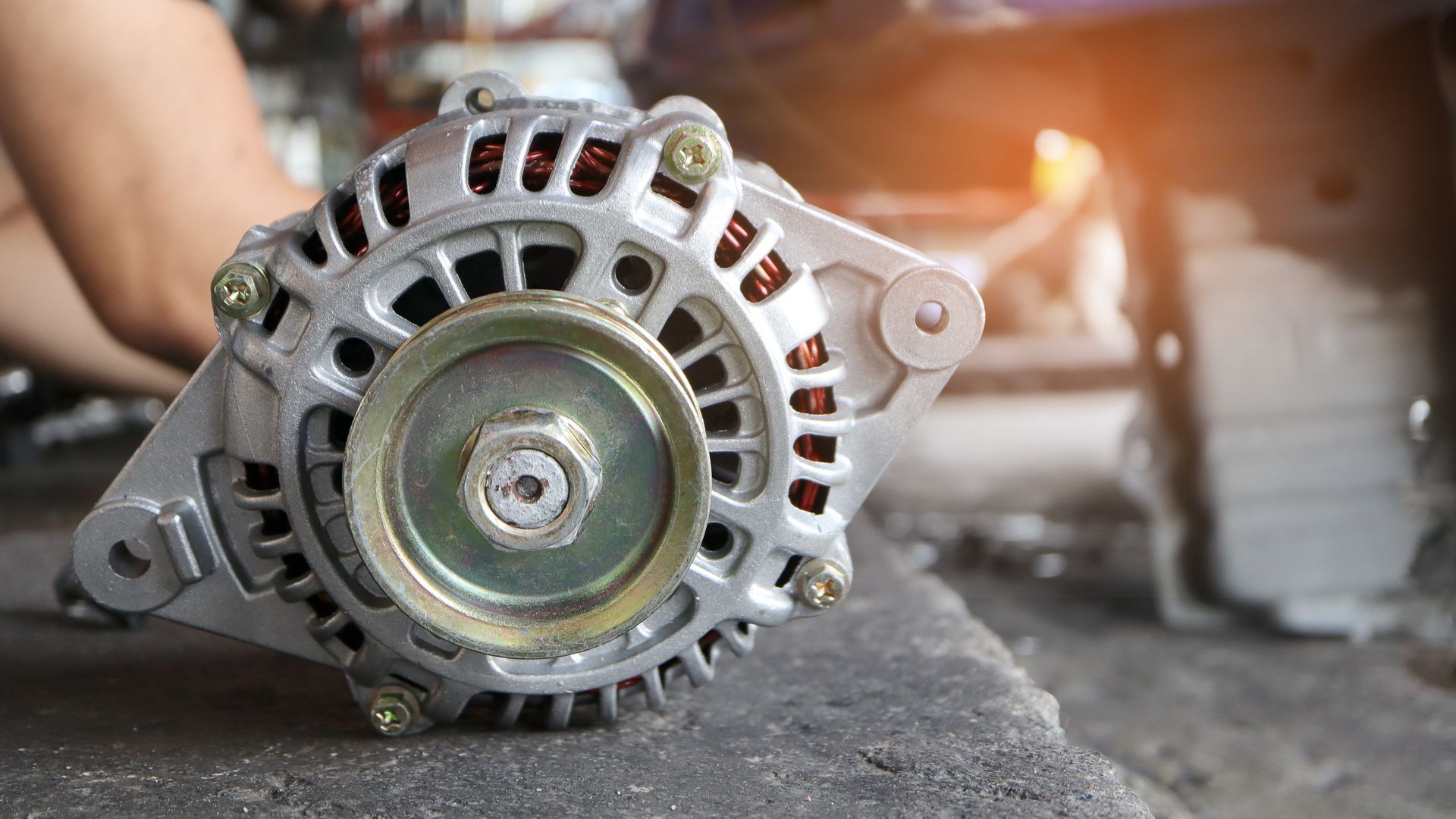
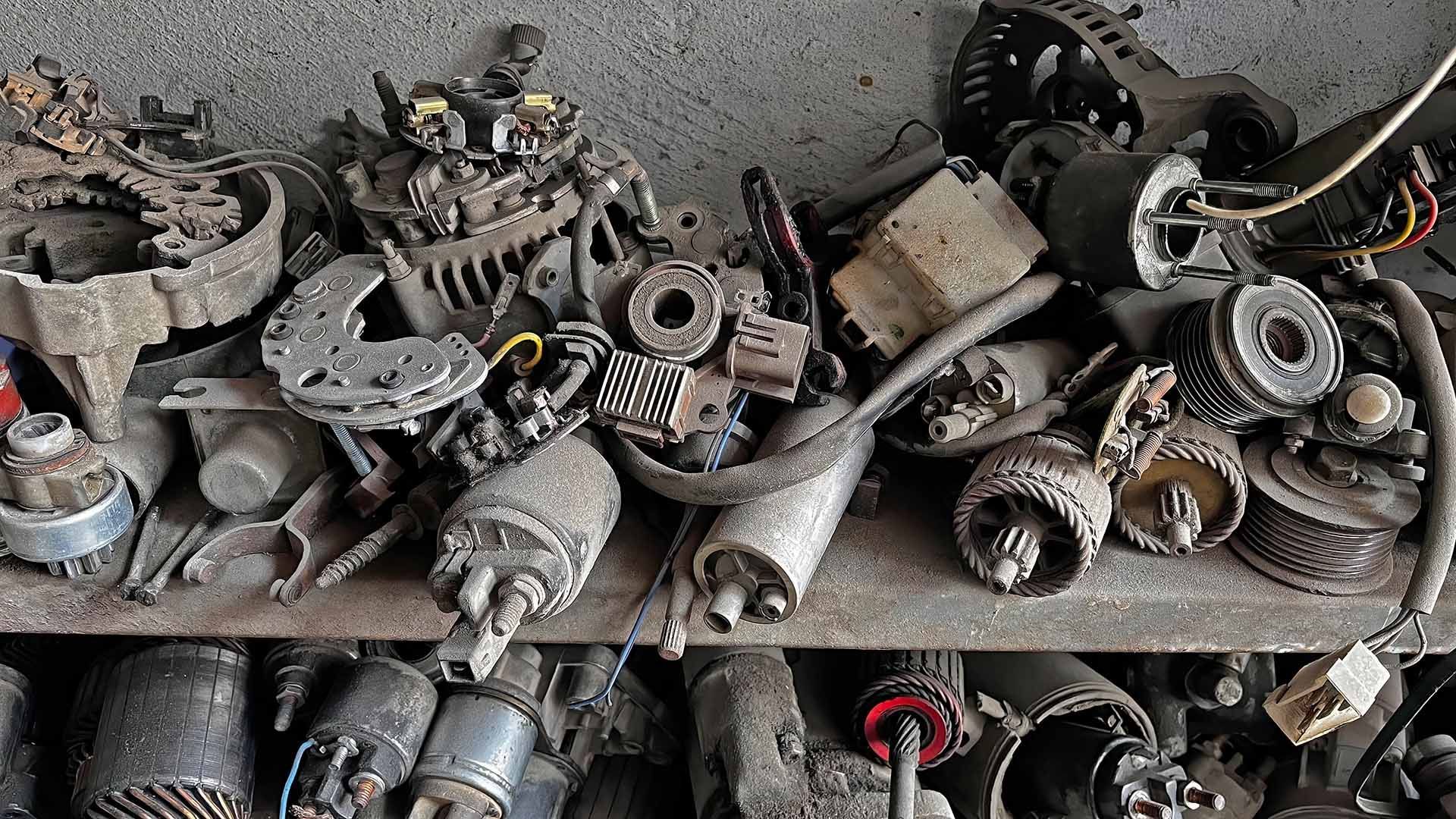
Compare the used domestic auto parts you sourced to the starter you just removed. The body shape, mounting flange, terminal positions, and gear (called a pinion) should match. A recycled part from a matching year, make, and model is your best guide. Slide the new starter into place, start each bolt by hand to avoid cross-threading, and then torque all fasteners to the specification listed in your service manual. Do not guess at torque values.
Step 6: Reconnect the Wiring and Battery
Reattach the wiring to the correct terminals using your photo as a reference. Reconnect the negative battery cable last. Tug each wire gently to confirm it is seated firmly.
Step 7: Test the Repair
Turn the key. A healthy recycled starter should crank the engine smoothly and quickly on the first try. If you hear grinding, stop immediately and recheck the pinion alignment and mounting bolt torque.
Tips for Getting the Right Recycled Starter
Have your vehicle's year, make, model, engine size, and transmission type ready before you search. You can search available inventory to find a matching starter before making the drive. Drivers looking for used domestic auto parts in Edgewater, FL, can verify fitment details with the parts team before purchasing, reducing the chance of a return trip.
Ready to Find Your Recycled Starter?
CARS County Auto Recycling Services Inc. serves Edgewater, FL, with a rotating inventory of tested recycled parts for domestic cars, trucks, and SUVs. If you are ready to source the part for your DIY starter swap, contact the team or call (386) 767-0720 to check availability. You can also find CARS County Auto Recycling Services Inc. on Google to read reviews and get directions. Getting the right used domestic auto parts the first time makes the whole job faster and less frustrating.