Eco-Friendly Engine Care: How Recycling Auto Parts Protects Florida's Environment
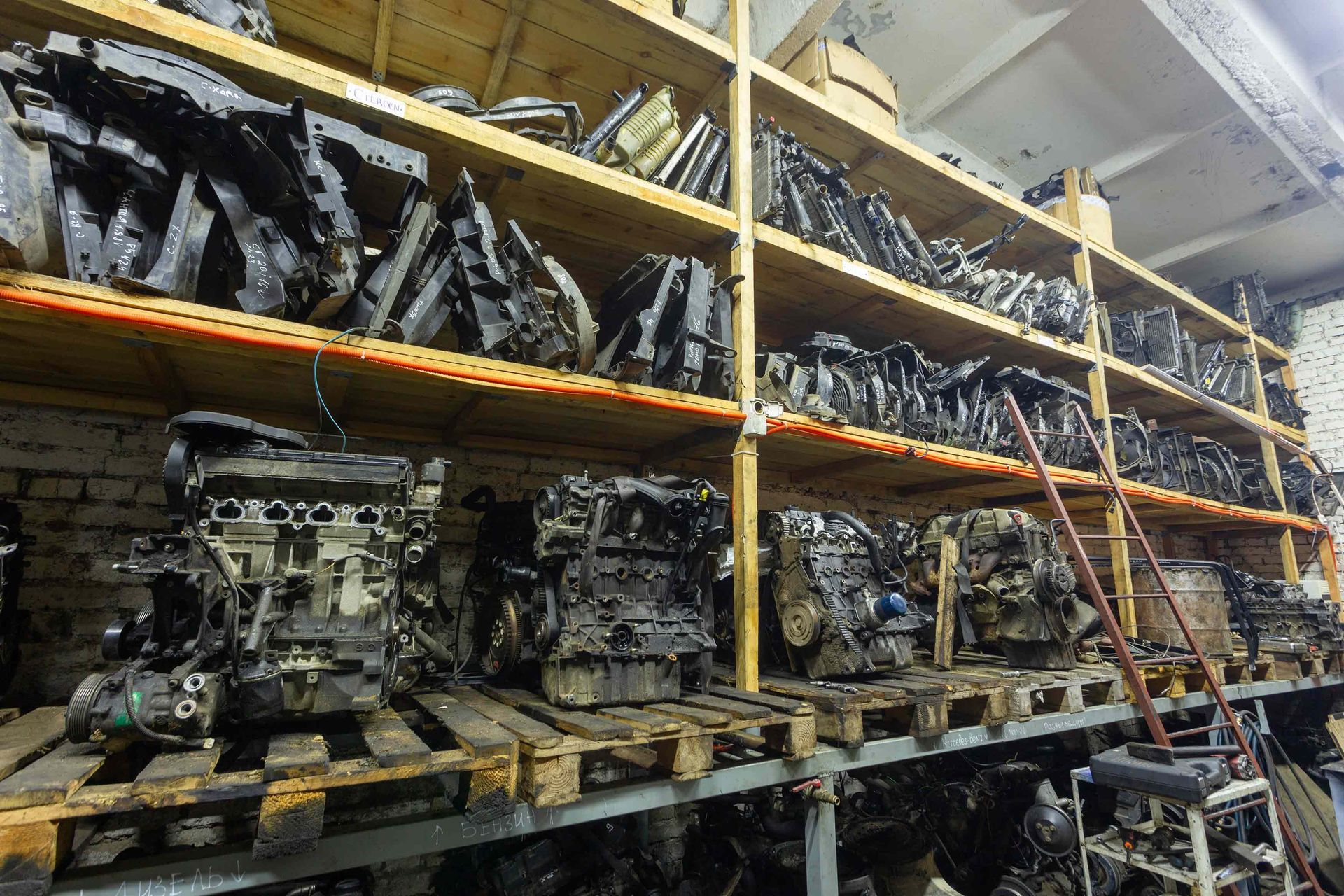
Choosing used car parts is one of the most practical steps Florida drivers can take to reduce their environmental impact while keeping their vehicles running. Every time a salvaged component replaces a brand-new one, it keeps raw materials in circulation and reduces the demand for energy-intensive manufacturing. For residents in and around DeLand, FL, that choice carries real benefits for the state's fragile ecosystems.
Why Recycling Auto Parts Is Good for Florida's Environment
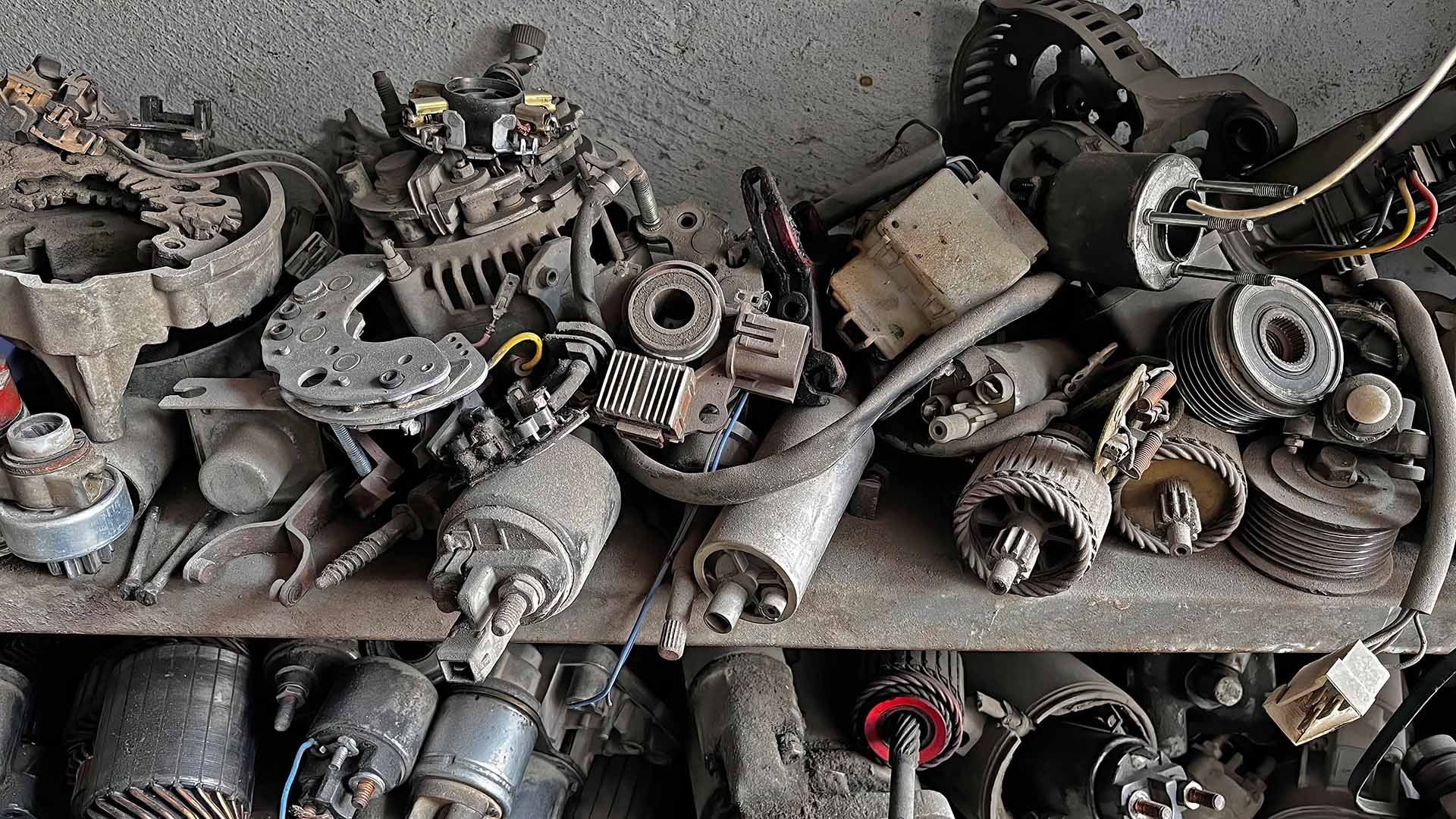
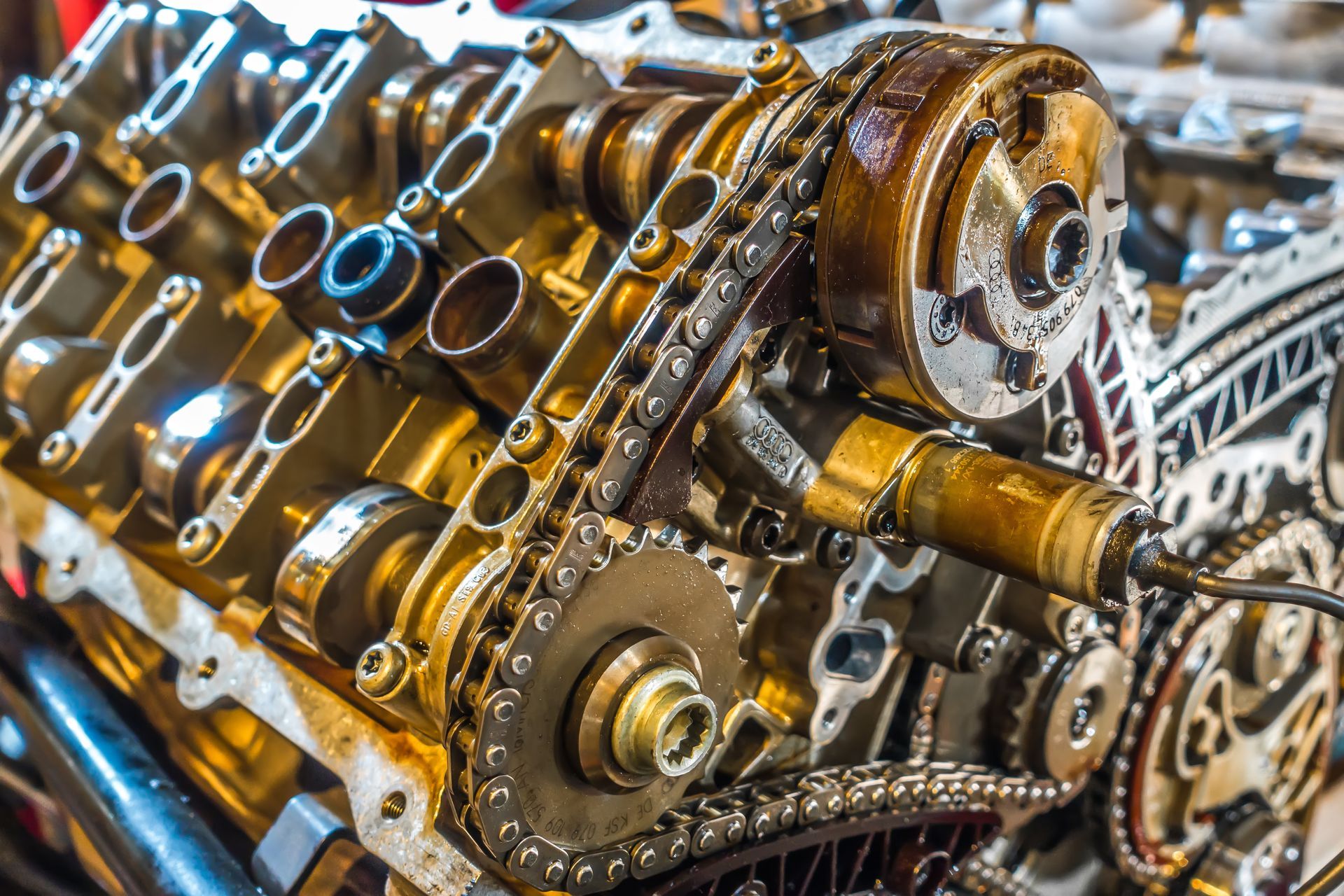
Reusing salvaged components cuts the energy needed to make new steel and plastic from scratch. Producing new steel is one of the most carbon-heavy industrial processes on the planet. When a usable engine block, transmission, or body panel is reclaimed instead of manufactured new, that energy cost is avoided entirely.
Florida's environment is especially sensitive to industrial pollution. The state's wetlands, rivers, and coastal habitats are closely connected. Reduced manufacturing demand means fewer emissions that can contribute to air and water quality issues that affect ecosystems from the St. Johns River corridor to the coast near DeLand.
Sourcing used car parts in DeLand also helps divert metal and plastic waste from landfills. Auto components can take decades to break down. Keeping them in active use through recycling extends their value and reduces the volume of material that would otherwise sit in the ground.
What Happens to a Car When It Is Recycled?
Auto recycling is a step-by-step process that salvages as much usable material as possible. A vehicle entering a salvage yard is carefully drained of fluids like oil, coolant, and brake fluid before any parts are removed. This prevents harmful liquids from leaching into the soil or groundwater.
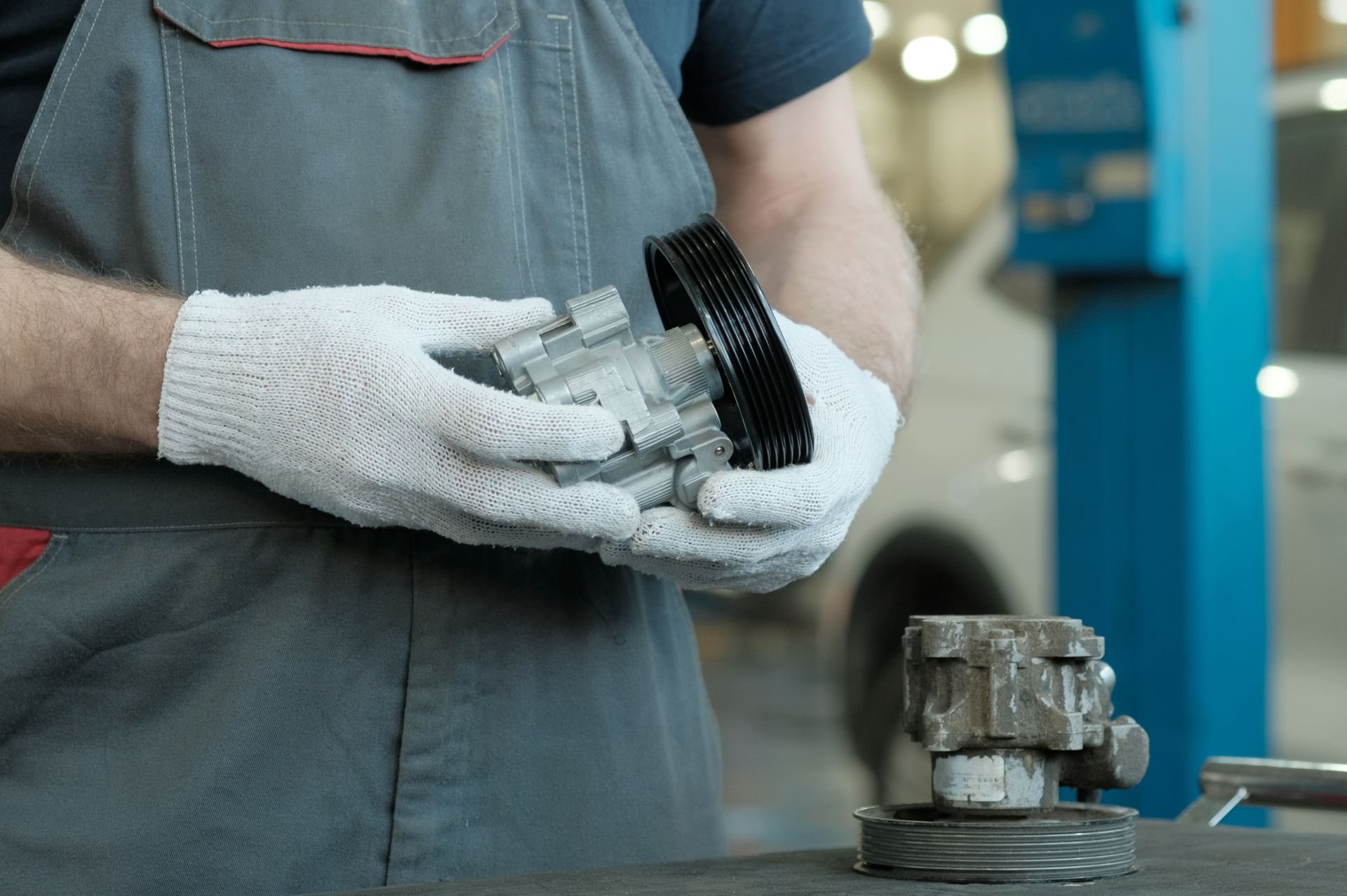
Usable components are then pulled, inspected, and cataloged for resale. Parts that cannot be reused may still be shredded and processed for scrap metal. Very little of a properly recycled vehicle ends up as true waste.
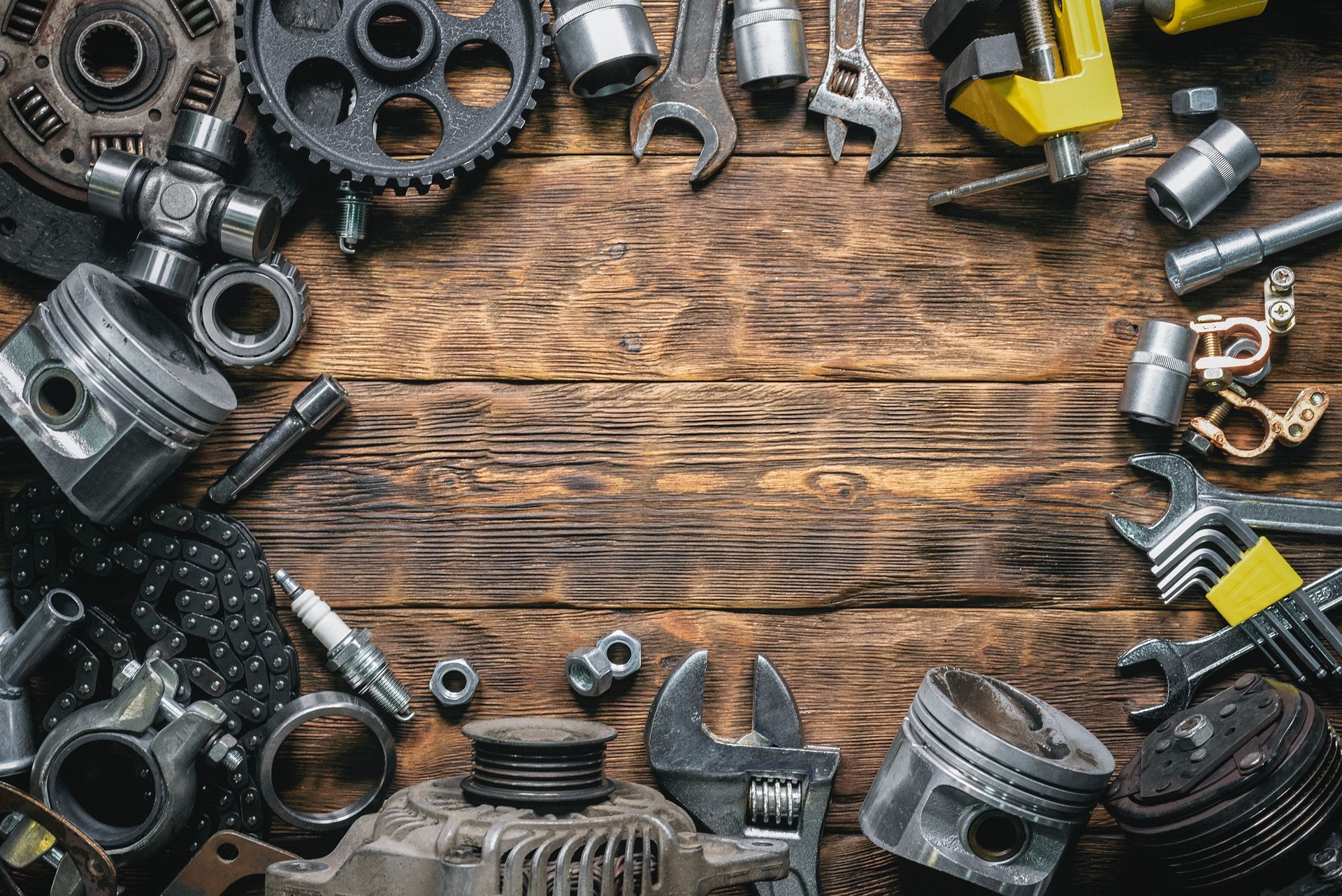
Here is a general overview of what gets recovered during responsible auto recycling:
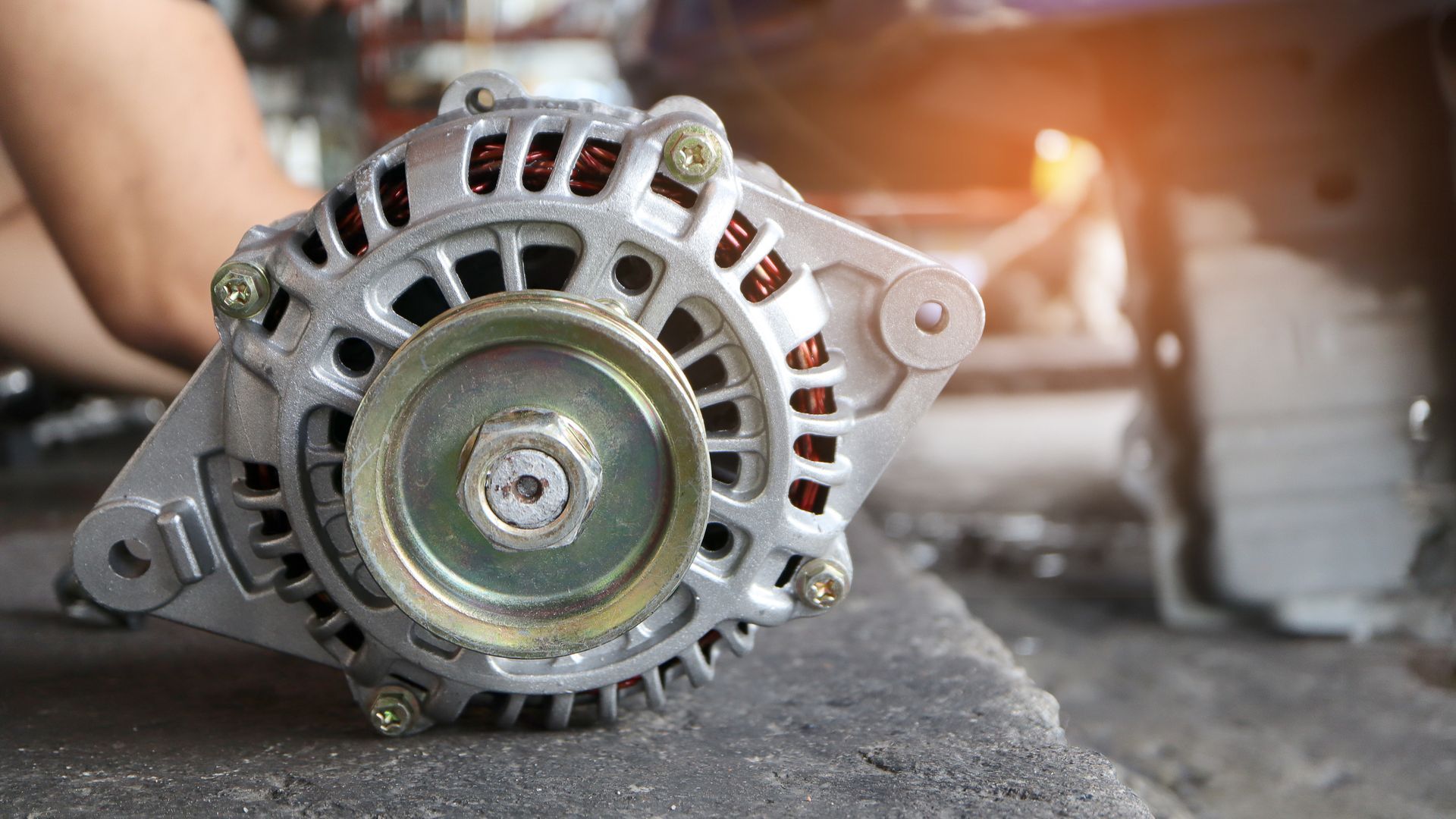
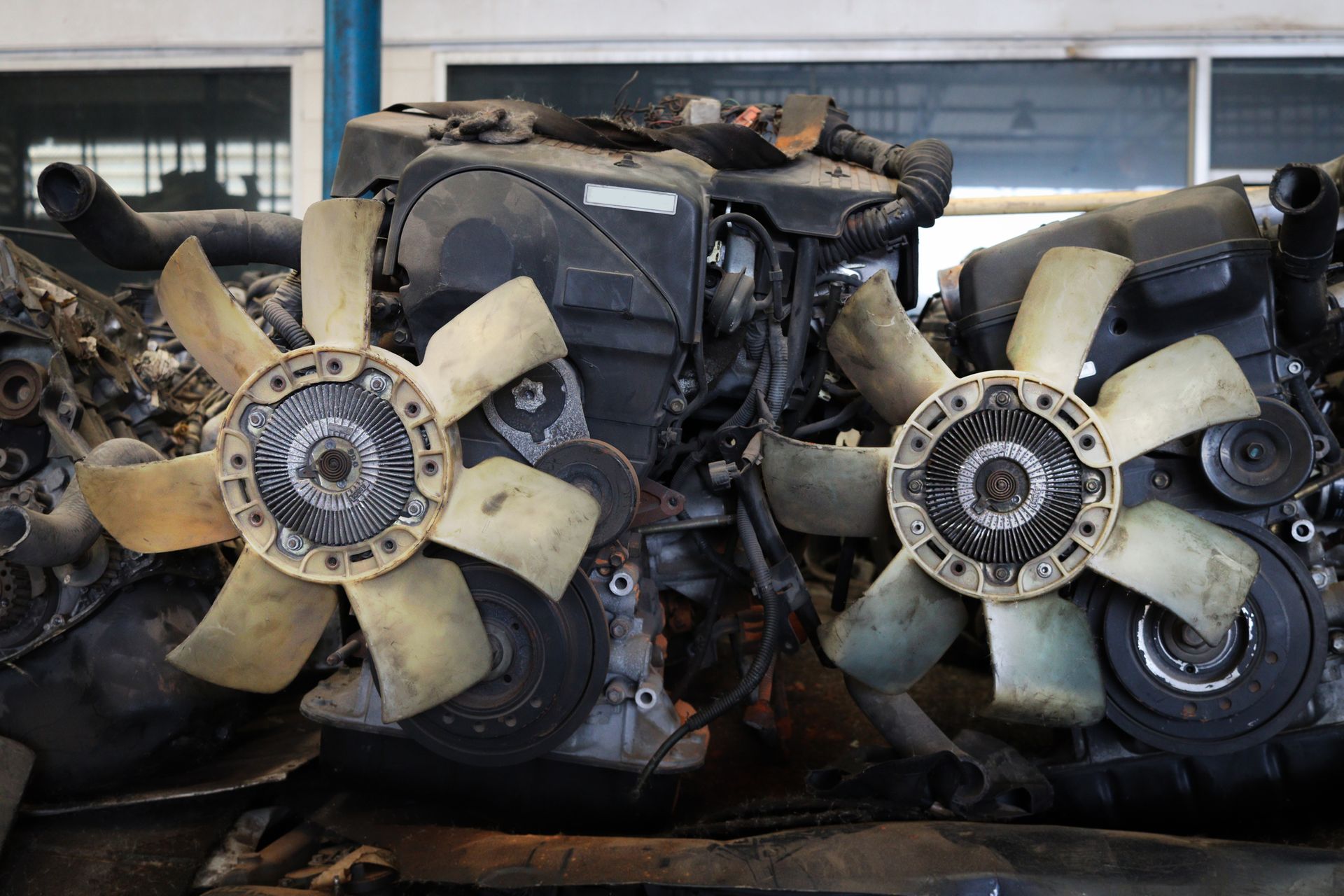
- Engines and transmissions are tested and resold as functional replacements.
- Steel and aluminum from body panels are processed as scrap metal for new manufacturing.
- Plastic components may be reclaimed and redirected to material recyclers.
- Fluids are collected and disposed of or recycled through certified channels.
- Tires and wheels are cataloged for resale or sent to specialty recyclers.
How This Connects to Florida's Conservation Goals
Florida has long prioritized the protection of its natural resources. The state's position as a low-lying peninsula makes it particularly vulnerable to the long-term effects of pollution and climate change. Local choices, including where Volusia County drivers source their auto components, can contribute in a small but meaningful way to cleaner air and less industrial waste.
Choosing recycled car parts instead of new ones reduces the raw materials required to produce new steel and plastic. Steel production alone is a major source of industrial carbon emissions. Scaled across thousands of vehicle repairs each year in Central Florida, that reduction can add up.
Make a Greener Choice for Your Vehicle in DeLand
CARS County Auto Recycling Services Inc. provides used car parts in DeLand, FL, serving drivers across Volusia County with a large, rotating inventory of salvaged components for cars, trucks, SUVs, and vans. As a third-generation, family-owned auto recycler in operation since 1991, they have spent decades helping the community access affordable parts while supporting responsible recycling practices. Call 386-767-0720 to ask about availability or contact the team online. You can also browse the parts inventory to see what is currently in stock.